

INTRODUCTION
Buying a diamond is a major financial and emotional investment, making careful verification an essential part of the process. While many buyers pay attention to a diamond’s sparkle, they often overlook details that determine its true quality and value. Avoiding a few common mistakes can help you make a smarter purchase and reduce the risk of disappointment later.
A careful verification process should begin before you even compare individual diamonds. Taking time to research the Verify Diamond Making Major Insights that experienced buyers rely on can help you understand grading reports, evaluate seller credibility, and recognize the factors that truly influence a diamond’s value. Building this knowledge early makes it easier to avoid common purchasing mistakes and approach such an important investment with greater confidence.
RELYING ONLY ON APPEARANCE
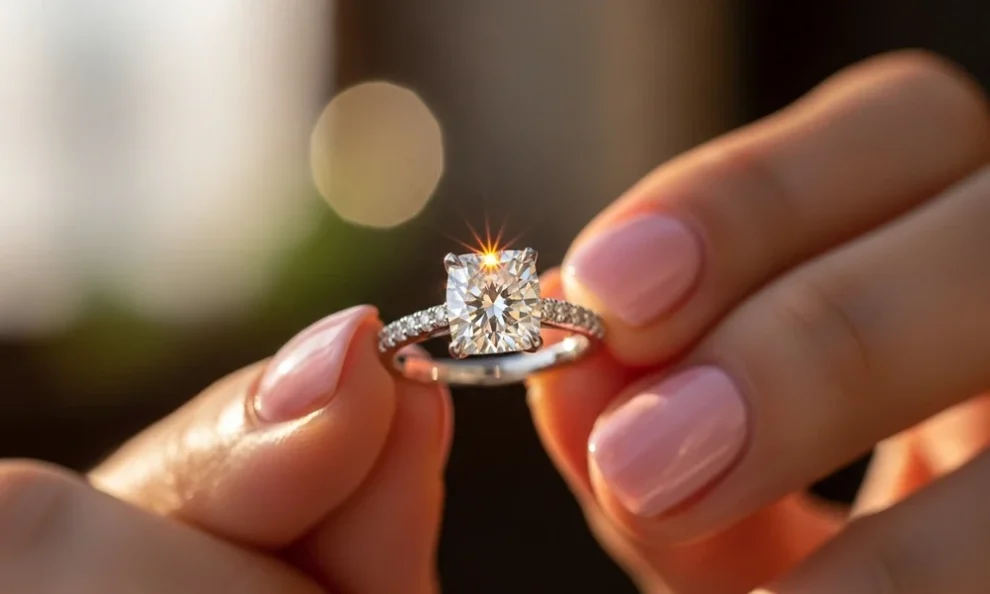
A diamond may look brilliant under showroom lighting, but appearance alone should never determine your decision. Bright display lights are designed to enhance sparkle, making even average-quality diamonds seem impressive. Always evaluate the stone using its grading information instead of judging it by looks alone.
IGNORING INDEPENDENT CERTIFICATION
One of the biggest mistakes buyers make is purchasing a diamond without an independent grading certificate. A reliable certificate provides an unbiased assessment of the diamond’s characteristics and gives you confidence that the stone matches its advertised quality. Skipping this step can make it difficult to verify what you are actually buying.
FOCUSING ONLY ON CARAT WEIGHT
Many shoppers assume that a larger diamond is automatically better. In reality, size is only one aspect of quality. A poorly cut diamond with a higher carat weight may appear less attractive than a smaller stone with excellent proportions and brilliance. Looking beyond size helps you make a better long-term investment.
HESITATING TO ASK QUESTIONS
Some buyers feel uncomfortable asking detailed questions because they assume the jeweller knows best. However, a significant purchase deserves clear explanations. Asking about the diamond’s grading, treatments, warranty, and return policy helps you understand exactly what you are paying for.
FORGETTING TO CHECK THE FINE DETAILS
Many people carefully inspect the diamond but overlook the accompanying paperwork. Before completing your purchase, verify that the grading report, invoice, and warranty information are accurate and consistent. Small errors can create unnecessary complications in the future.
CHOOSING PRICE OVER QUALITY
Everyone appreciates a good deal, but an unusually low price should encourage extra caution. If a diamond is significantly cheaper than similar stones, there may be reasons that are not immediately obvious. Balancing quality, certification, and price is usually a wiser approach than simply choosing the lowest-cost option.
OVERLOOKING FUTURE NEEDS
A diamond purchase should also include consideration for future services such as cleaning, inspections, resizing, or upgrade programs. Ignoring these benefits during the buying process may limit your options later. Choosing a jeweller who offers reliable after-sales support can add long-term value to your investment.
FINAL THOUGHTS
Verifying a diamond involves more than checking its sparkle. Avoiding common mistakes such as relying only on appearance, ignoring certification, rushing your decision, or focusing solely on price can help you purchase with confidence. Careful research and thoughtful comparison will ensure you choose a diamond that offers lasting beauty, quality, and value for years to come.
